

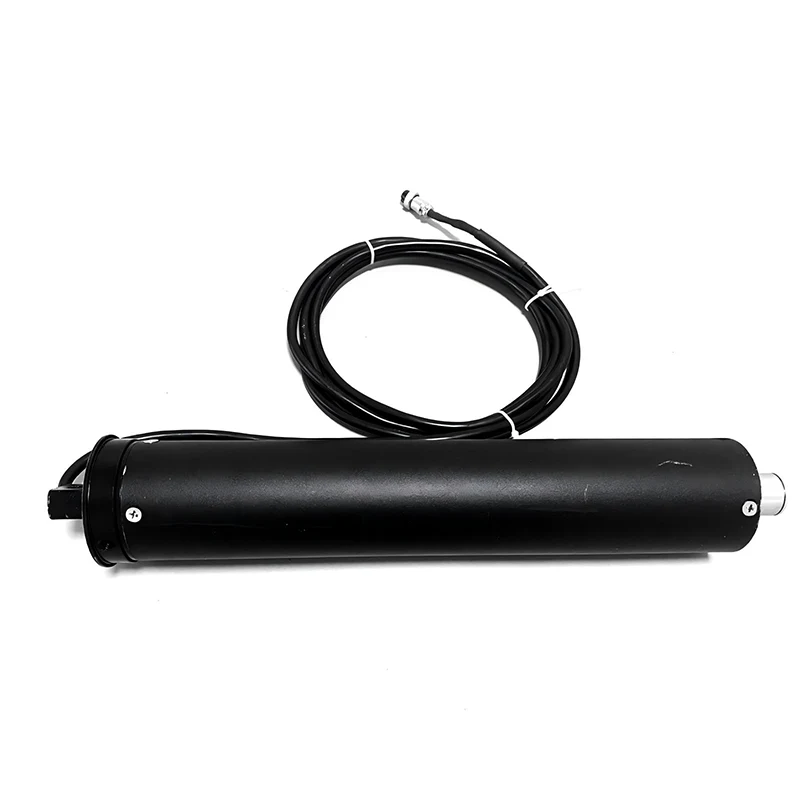
An outdoor swimming pool cover needs a dependable drive system that can operate in an environment exposed to splashing water, humidity, dust, and changing temperatures. An IP65 Waterproof Motor for Pool Covers is designed to provide protection against dust ingress and water jets when its enclosure and installation meet the relevant protection requirements. This article explains what IP65 means, how a waterproof pool cover motor works, which components influence reliability, and how correct installation and maintenance can help extend service life. It also covers common purchasing questions so pool equipment manufacturers, installers, and property owners can make better-informed decisions.
1. Why Pool Covers Need a Reliable Motor
A swimming pool cover is more than an accessory. It can help reduce water evaporation, limit debris entering the pool, and support safer pool management when used with an appropriate cover system. However, the cover must move smoothly and consistently to deliver these benefits. A motor that struggles under load, overheats, or suffers from moisture-related damage can interrupt daily operation and increase maintenance costs.
Pool environments create several challenges for electrical equipment. Water may splash onto the motor housing, condensation can form when temperatures change, and dust or small particles may collect around moving components. Outdoor installations may also face sunlight, rain, and seasonal temperature changes. These conditions make enclosure protection, mechanical strength, and correct electrical installation important considerations.
An IP65-rated motor can be a suitable option for applications where dust protection and resistance to water jets are required. Nevertheless, the rating should be considered alongside the motor's torque, speed, duty cycle, mounting arrangement, and compatibility with the pool cover mechanism.
2. What Does IP65 Waterproof Protection Mean?
IP stands for Ingress Protection. The rating is used to describe how effectively an electrical enclosure protects against the entry of solid objects and water under specified test conditions. The two digits in IP65 describe different types of protection.
First Digit: Protection Against Dust
The number 6 indicates dust-tight protection under the applicable test conditions. This means the enclosure is designed to prevent dust from entering in a way that could interfere with the equipment's operation. This is useful for pool installations where dirt, sand, and other airborne particles may accumulate.
Second Digit: Protection Against Water Jets
The number 5 indicates protection against water projected through a nozzle from different directions under specified test conditions. It does not mean that the motor can be submerged in water. An IP65 motor should not automatically be treated as suitable for underwater installation or prolonged standing-water exposure.
| Rating Element | Meaning | Practical Relevance |
|---|---|---|
| IP | Ingress Protection | Describes enclosure protection against solids and water. |
| 6 | Dust-tight | Helps prevent dust ingress into the protected enclosure. |
| 5 | Protection against water jets | Suitable for specified water-jet exposure, not immersion. |
For buyers, one important detail is whether the IP65 rating applies to the complete motor assembly or only to a particular housing component. Cable entries, connectors, seals, terminal covers, and installation orientation can influence the protection of the finished assembly. Always request the manufacturer's technical documentation for the exact model.
3. How an IP65 Pool Cover Motor Works
A motorized pool cover system converts electrical energy into controlled mechanical movement. The motor supplies rotational force to a drive shaft, gearbox, roller, or another transmission component. This mechanism moves the pool cover along its track or winds it around a roller, depending on the system design.
Step 1: Electrical Power Activates the Drive
When the operator activates the control system, the motor receives power according to its electrical design. Depending on the model, the system may use a wired switch, control panel, remote controller, or integrated automation interface. Voltage, current, wiring, and control requirements must match the manufacturer's specifications.
Step 2: The Motor Produces Rotational Force
The motor generates rotation. Its output characteristics, including torque and speed, determine whether it can move the cover at the required rate under the expected load. A gearbox may be used to reduce output speed and increase usable torque.
Step 3: The Transmission Moves the Cover
The drive mechanism transfers the motor's output to the cover roller or movement system. Proper alignment and low mechanical resistance help the motor operate without unnecessary strain. If the cover is obstructed or the track is misaligned, the load may rise significantly.
Step 4: The Control System Stops Movement
Limit switches, position sensors, control logic, or other stopping arrangements may be used to define the opening and closing positions. Their configuration depends on the motor and cover system. Correct adjustment helps prevent over-travel and unnecessary mechanical stress.
4. Key Components That Affect Motor Reliability
Water resistance is important, but it is only one part of a dependable drive system. Buyers should also consider the following components and design features.
Protective Housing and Sealing
The enclosure protects internal electrical and mechanical components. Sealing surfaces, gaskets, cable glands, and fasteners all contribute to the final protection level. A damaged seal or incorrectly installed cable entry can weaken the protection of the entire assembly.
Motor and Gearbox
The motor must provide enough output for the cover's weight, dimensions, friction, and operating conditions. The gearbox must be compatible with the required torque and speed. A suitable combination helps avoid excessive current draw, repeated stalling, and premature wear.
Thermal Protection
Repeated operation under heavy load can cause temperature increases. Depending on the design, thermal protection may help prevent damage caused by excessive temperature. Buyers should confirm whether this feature is included and understand the operating limits specified by the manufacturer.
Cable Connections and Control Components
Electrical connections need suitable protection and installation. The motor's control arrangement should also match the cover system's operating logic. If a system uses limit switches or sensors, these components must be correctly adjusted and maintained.
5. Benefits in Outdoor Pool Environments
An IP65 Waterproof Motor for Pool Covers can offer practical advantages when the motor is installed in a location exposed to dust and water jets within the rating's intended conditions.
- Dust protection: A dust-tight enclosure helps protect internal components from solid particle ingress.
- Water-jet resistance: The enclosure is designed to withstand specified water-jet exposure.
- More dependable operation: Appropriate protection can reduce certain environmental risks that affect electrical equipment.
- Flexible installation planning: The rating can be useful for some outdoor or semi-exposed pool equipment arrangements.
- Lower risk of ingress-related faults: When correctly installed and maintained, suitable sealing can help reduce moisture and dust intrusion.
These advantages do not eliminate the need for suitable drainage, protection from prolonged immersion, corrosion-resistant materials, or regular inspection. Actual service life also depends on mechanical loading, operating frequency, temperature, installation quality, and maintenance.
6. How to Select the Right Motor
Choosing a motor based only on its IP rating can lead to an unsuitable purchase. A complete selection should start with the requirements of the pool cover system.
Evaluate the Cover Load
Consider the cover material, overall dimensions, roller diameter, track arrangement, and mechanical resistance. A larger or heavier cover may require greater output torque. Friction, installation slope, and the condition of the moving parts can also affect the actual load.
Confirm Torque and Speed
Torque determines the motor's ability to drive the mechanism, while speed influences how quickly the cover opens or closes. Both values should be checked against the cover manufacturer's requirements. Avoid selecting a motor with insufficient torque or an output speed that is unsuitable for the mechanism.
Check Electrical Compatibility
Confirm the rated voltage, frequency, power, current, wiring arrangement, and control method. These details are particularly important for international projects where electrical standards may differ between markets.
Review the Operating Environment
Consider whether the motor will be installed indoors, outdoors, in a covered equipment area, or close to a location where water may collect. Check ambient temperature limits, corrosion resistance, cable-entry requirements, and the actual enclosure rating.
| Selection Factor | What to Confirm | Why It Matters |
|---|---|---|
| Protection rating | IP65 rating for the relevant assembly | Helps assess resistance to dust and water jets. |
| Torque | Required output for the cover system | Prevents insufficient driving force. |
| Speed | Suitable opening and closing time | Supports controlled cover movement. |
| Electrical data | Voltage, frequency, power, and current | Ensures compatibility with the power supply. |
| Operating duty | Permitted operating time and rest period | Helps avoid excessive thermal stress. |
7. Installation Factors That Should Not Be Overlooked
Even a well-designed motor can experience problems if installation conditions are unsuitable. Installation should follow the manufacturer's instructions and applicable local electrical requirements.
- Mount the motor in the specified orientation and use the recommended fixing points.
- Keep cable entries, connectors, and terminal covers correctly sealed.
- Use cable glands and connection accessories suitable for the installation environment.
- Prevent water from collecting around the motor or entering through an incorrectly positioned cable route.
- Check the alignment of the shaft, roller, gearbox, and other transmission components.
- Verify that the cover can move freely before normal operation.
- Ensure electrical protection, grounding, and control wiring comply with the product instructions and local regulations.
Do not assume that an IP65 rating makes every installation arrangement safe. The complete electrical system must be designed for its location, especially around swimming pools where electrical safety requirements are particularly important. Installation and servicing should be handled by qualified personnel.
8. Maintenance for Consistent Performance
Routine inspection helps identify small issues before they become major failures. The maintenance schedule should follow the manufacturer's recommendations and reflect the frequency of use and environmental conditions.
Inspect the Enclosure
Look for cracks, impact damage, loose covers, damaged seals, or signs of corrosion. If the enclosure has been opened for service, confirm that all sealing parts are correctly restored before returning the motor to operation.
Check Mechanical Movement
Inspect the roller, track, coupling, and mounting hardware. Unusual noise, vibration, or uneven movement may indicate misalignment, wear, or an obstruction. Correcting mechanical resistance can reduce unnecessary motor loading.
Review Electrical Connections
Qualified personnel should inspect wiring, terminals, cable glands, and control components according to the maintenance instructions. Isolate the power supply before any inspection that requires access to electrical parts.
Observe Operating Temperature and Cycle
Repeated operation beyond the rated duty cycle can cause overheating. Follow the specified operating and rest periods. If the motor frequently stops because of thermal protection, investigate the load and operating conditions instead of repeatedly restarting it.
9. Common Problems and Practical Checks
| Observed Problem | Possible Cause | Recommended Check |
|---|---|---|
| Motor does not start | Power supply, wiring, control, or protection issue | Have a qualified technician check the electrical system. |
| Cover moves slowly | Excessive friction, misalignment, or unsuitable loading | Inspect the track, roller, and mechanical drive. |
| Motor becomes unusually hot | Overload, excessive operating time, or restricted movement | Stop operation and check the load and duty cycle. |
| Water ingress is suspected | Damaged seals, cable entry, or enclosure damage | Disconnect power and arrange a professional inspection. |
| Unusual noise or vibration | Worn components, loose fixing, or poor alignment | Inspect the mounting and transmission system. |
Never open an energized motor enclosure or attempt electrical repairs without the required qualifications. If water ingress is suspected, isolate the equipment and have it inspected before reuse.
10. Frequently Asked Questions
Q1: Is an IP65 motor suitable for outdoor pool cover systems?
It can be suitable for outdoor or semi-exposed installations where dust-tight protection and resistance to water jets are required. Suitability also depends on temperature limits, corrosion protection, installation position, and the manufacturer's instructions.
Q2: Can an IP65 Waterproof Motor for Pool Covers be submerged?
No. IP65 does not indicate protection against immersion. The motor should not be installed underwater or in a location where it may remain submerged unless the manufacturer explicitly provides a separate rating and approval for that use.
Q3: Does IP65 mean the motor is completely protected from all moisture?
No. The rating describes performance under specified ingress tests. Condensation, prolonged exposure to harsh conditions, damaged seals, and incorrect cable installation can still create risks.
Q4: Does a higher protection rating always mean a better motor?
Not necessarily. The protection rating is only one specification. Torque, speed, duty cycle, electrical compatibility, mechanical construction, and service support are equally important when selecting a motor.
Q5: How often should a pool cover motor be maintained?
Follow the manufacturer's maintenance schedule. Inspection frequency should also reflect operating frequency, environmental exposure, and the condition of the cover mechanism.
Q6: What information should buyers provide when requesting a quotation?
Useful details include the cover dimensions and approximate weight, required torque and speed if known, power supply, installation environment, control method, and expected operating frequency. Photos or drawings of the existing drive arrangement can also help with model matching.
11. Choosing a Dependable Pool Cover Motor Supplier
A reliable supplier should provide more than a product name and a basic price. Buyers need clear technical information to confirm that the motor can work with their pool cover system and installation environment.
When evaluating a supplier, consider whether the company can provide:
- Detailed product specifications, including voltage, power, torque, and speed.
- Clear information about the IP65 rating and the scope of the tested assembly.
- Installation dimensions, wiring information, and control compatibility.
- Guidance on duty cycle, operating temperature, and maintenance.
- Technical assistance for model selection and project requirements.
Ningbo Futai Window And Door Automation Technology Co., Ltd. focuses on window and door automation technology and related motorized drive solutions. For buyers evaluating motors for pool cover applications, matching the motor specifications with the actual cover mechanism is an important step toward achieving stable and dependable operation.
Share your application details, technical requirements, and installation conditions with Ningbo Futai Window And Door Automation Technology Co., Ltd. Contact us to discuss product specifications, compatibility, and a suitable motor solution for your project.